

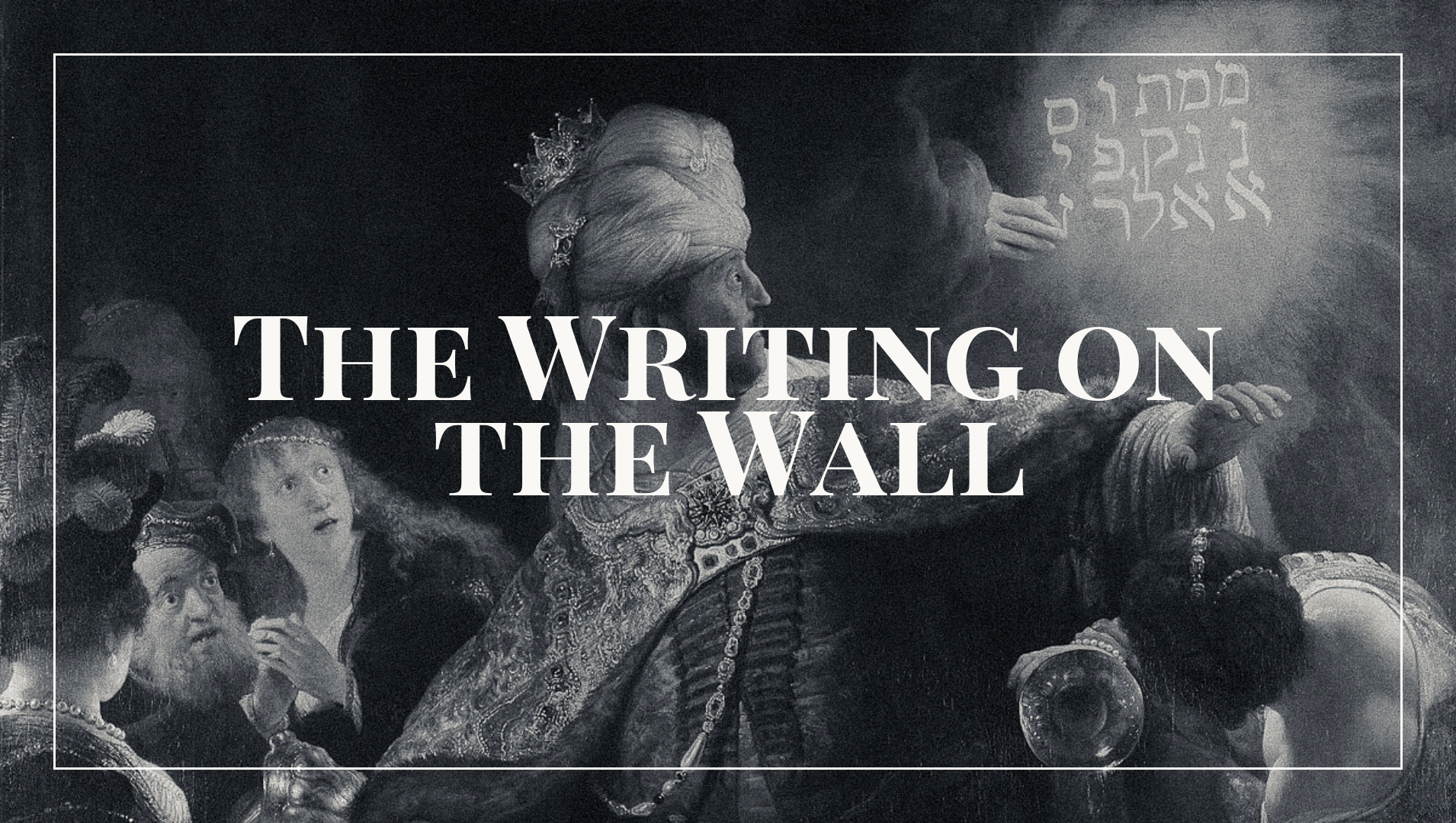
Some works of art may give the impression they were painted with little effort; however, the most effortless strokes often require grand mastery to become so effortless, and invariably require repetition that begets compounding results.
For the past years, artificial intelligence has been promoted as a shortcut to outpacing competition, an accelerant to advantage. In certain contexts, it may be. Yet, there is a difference between technological progress and intelligence that promises to be all things to all people.
The notion that mastery can be attained in compressed timeframes is naïve and offensive to the discipline it purports to honour. In backgammon, a player doesn’t win by fewer moves. Speed comes at the price of depth, and speed isn’t the point.
Mastery compounds over time. It happens when one has immersed themselves in what they have set out to do and become. They do not complain; nor do they fall out. They have truly succeeded because they are regarded—and remembered—honourably.
Simplicity is minimised until it is compared with excess. Then, simplicity wins over excess. Quantity beats quality when the finality of quantity is quality.
Drafting writing guidelines is not, in itself, an act of writing; anyone who has authored their own texts knows that writing resists ease, regardless of how confidently it is marketed as easy. The word “authored” is indeed of consequence.
However, one must first, surely, try—a quality that has become increasingly expensive, as of late.
To write real, compelling texts brimming with a strong point-of-view and personality surpasses what any developed artificial intelligence can do. It is dispiriting how our estimation of our own capacities has atrophied. Most writers operate with scant patience and even less rigour. Yet, with so few words one can create a piece very, very complex.
Since the advent of artificial intelligence, nearly ninety percent of people—arguably more—have relinquished writing well. A non-astonishing state of matter: good requires discipline; better requires more discipline. Better is better.
Structuring is annoying because it is clear. For people who demand clarity, it speaks to them.
The internet has rightly democratised access for those long excluded; it has also amplified the incoherent and the opportunistic, selling false acceleration to the most vulnerable. Mastery is now widely mistaken for a shortcut. Indoctrinating people with speed promotes a false narrative. The same may be applied to authenticity.
Where speed and immediacy are privileged over rigour and durable craft, over work that genuinely addresses the human element, people are reduced to bulk markets and treated as products themselves.
Trends are inherently cyclical: the very public figures who once profited from their momentum are often the first to undo them. The corporations that most aggressively deployed artificial intelligence now pivot to marketing the human element, conveniently after saturating the public with proclamations that artificial intelligence would render thinking obsolete. This reversal insults the reader’s intelligence—a grave strategic and cultural error.
Everything has become so accessible; yet, there is charm in the pursuit, in the chase, in hitting the mark—in challenging ourselves; not against others, rather, against the better version of our person, the one we meet upon crossing to the banks of discipline.
Thinking exacts discomfort. Every interaction is about status. Writing is not an exception. A text signals that one is serious about authorship; it acts as a statement piece that permanently reorients the reader’s perception of the world.
Shortcuts may look good. Vintage is better.
—R.
Featured image: Belshazzar’s Feast — Rembrandt
