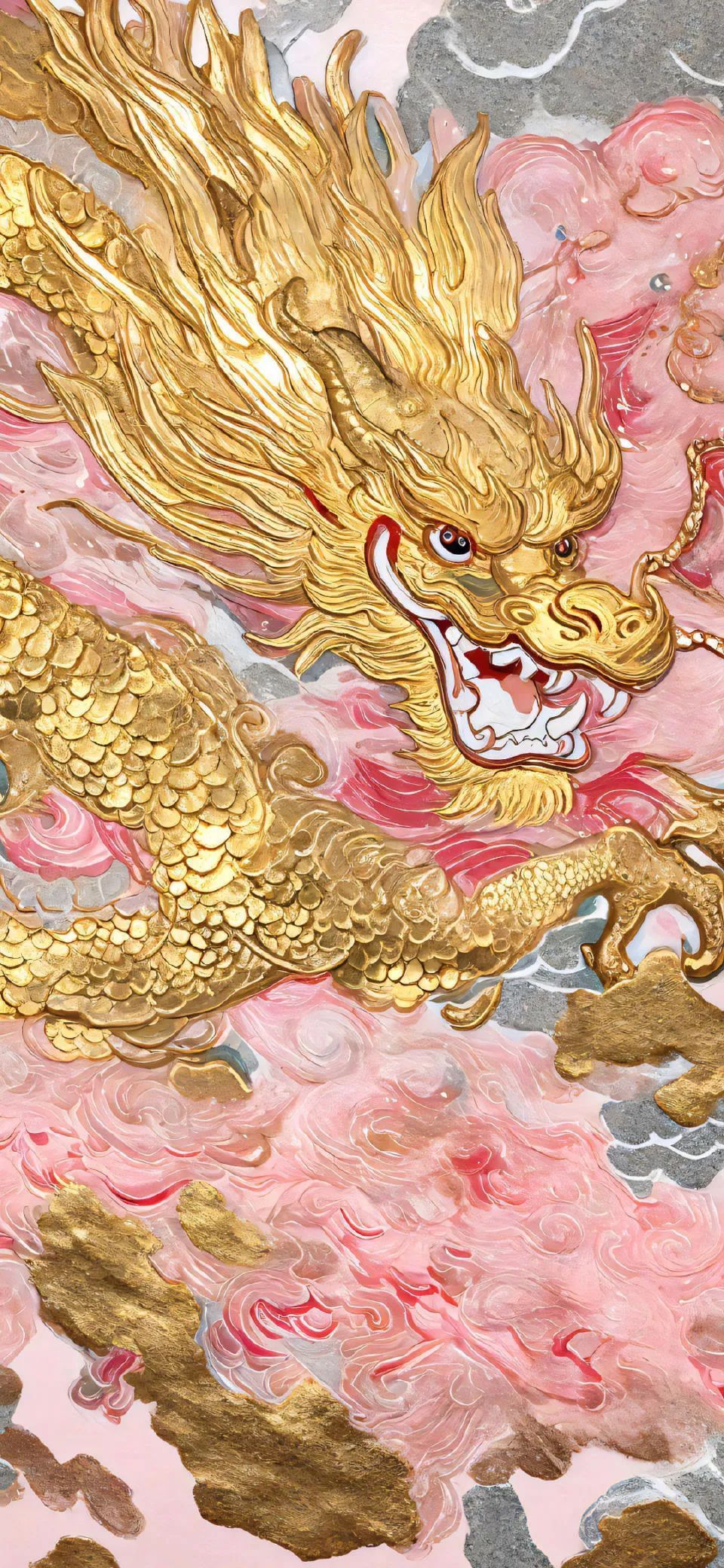
My decision to turn East is not what I call a whim.
I started learning Japanese in my early university years, but fell out of it as I never got the chance to practice. I did, however, earn my JLPT N5.
Unlike my friends who learned Chinese and later moved to China, the pool of Japanese learners was very small. Two students ended up applying for scholarships and moved to Japan, where they have now been living for about 10 years.
I, on the other hand, ventured into a long academic path which culminated in a PhD.
[For context, here’s an anecdote in passage:
I remember the faces of the jury as I told them that “the West is becoming obsolete and it is towards the East that we should be looking.”
That was on the morning of Wednesday, 6 February 2019. Seven years later, this feeling hasn’t changed. I don’t want to dive into a philosophical monologue, as it isn’t my purpose here. I will say, however, that many theories I have learned in Translation Studies are obsolete, and the persistence of a translation school to abide strictly by a European/American curriculum has hindered it from widening its prospects and horizons.
The East is advanced on many levels—some just refuse to see it.]
Most—if not all—of I write about is tainted by my experiences of travels and the long road trips I took growing up. It is also immensely inspired by the myths and stories I discovered in my readings when I was just a little girl. Mythical dragons, magical kitsune, gentle qilin… lands of samurai, tales of love and red threads… were things I dreamed of and often wondered if they had truly existed at some point on the chronological axis of human history.
I never identified with European/Western culture. I understood why when I embarked on a path of inner discovery.
I never understood why my friends were so obsessively drawn to the West. When I first discovered Death Note, it was a revelation to me. When I watched Saint Seiya, I was elated. When I listen to Bodyslam, I’m happy. To my friends, these are trivial and unserious. I was mocked endless times for my weird tastes.
There is a subconscious connection linking my inner self to the East; I still can’t quite put my finger on it, but I am determined to find a way. I couldn’t understand what was so endearing about cowboys and ladies in misery waiting to be rescued. I wanted to be a fierce warrior like the samurai women of old Japan—which explains my obsessive compulsive want to learn martial arts associated with the East: karate, Muay Thai, but not Brasilian jiu jitsu. Even the languages I learned for my personal satisfaction were all Asian languages: Japanese, bits of Chinese, and Thai. I am proficient in Spanish and Latin, but those came from contextual situations.
When I travelled, be it with my family or by myself, I searched for the divergent in everything. Normalcy didn’t appeal to me. I was curious about the expression of being, regardless of whether I understood it or not. That is me—that is who I am. I was accustomed to travelling throughout the States, Canada, Europe, where I ended up as a visiting scholarship recipient, but I found it too boxed for my taste.
When I sit with my clients, when I taste ethnic food, when I talk to strangers for the first time, I realise I am, undeniably, the sum of all the experiences I have lived. Yet, all my travels West were not enough.
So, I am the sum of all the experiences I have lived and the experiences I am yet to live, and all the stories I have read and the ones I am yet to read.
All my travels West were not enough; but bits and pieces of the East make me complete.
There always was this wind drawing me east, whispering in my ear, “It is not over, yet.”
As I write this, I already see myself there.
—R.